
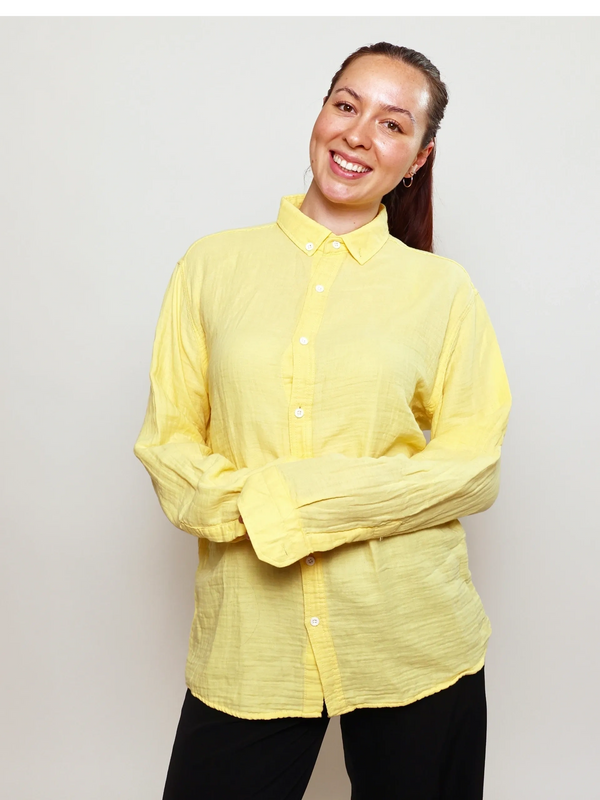
HI, I'M MOLLY
WHEN I WAS 13, I WAS DIAGNOSED WITH SCOLIOSIS.
From that point until I was 18, I wore a back brace every single day - under my school uniform, under my clothes, wherever I went.
Nobody could see it. But I knew it was there. And I spent years becoming an expert at not being seen.
I wore different clothes to hide it. I stood differently. I avoided anything that might draw attention - a hand raised in class, a question asked out loud, a moment where someone might look at me too closely.
While everyone else was figuring out who they were and finding their confidence, I was quietly disappearing.
What I didn't know then - and what nobody ever told me - is that confidence is a skill. Not a personality trait. Not something you either have or you don't. Not a reward waiting for you on the other side of feeling better about yourself.
Confidence is a skill. One that can be practised, built, and taught.
I could have been learning it the whole time - even with the brace on, even while I was hiding. That realisation changed everything.
SOMETHING CLICKED WHEN I FOUND LEARNING & DEVELOPMENT
I shopped around a lot in my early career - trying different roles and industries. I didn't think I'd ever find my 'thing'. Then I found L&D.
I designed and delivered training for early-career professionals, interns and work experience students. I watched young people arrive uncertain and leave with something they hadn't walked in with. I got to be the person in the room who created that shift.
It was the first time in my working life I thought: this is it. This is what I'm supposed to be doing.
AND THEN I WAS MADE REDUNDANT.
Like so many young people in the job market today, I suddenly faced the loss of something I'd built my identity around. It knocked my confidence in a way I hadn't expected.
Here I was - someone who had spent years helping other people find their voice - and I felt like I'd lost mine.
But there was a difference between me at 26 and the young people I'd been working with. I had something they didn't: I knew that confidence is a skill. I'd seen it built from scratch in rooms full of uncertain people - and in myself as a teenager. I knew it could be rebuilt.
That knowledge - and the anger at not having had it when I was 14 - is what became Tools for Tomorrow.
Not a business plan. A response to something I'd felt myself, twice, and refused to accept was inevitable for the young people coming behind me.
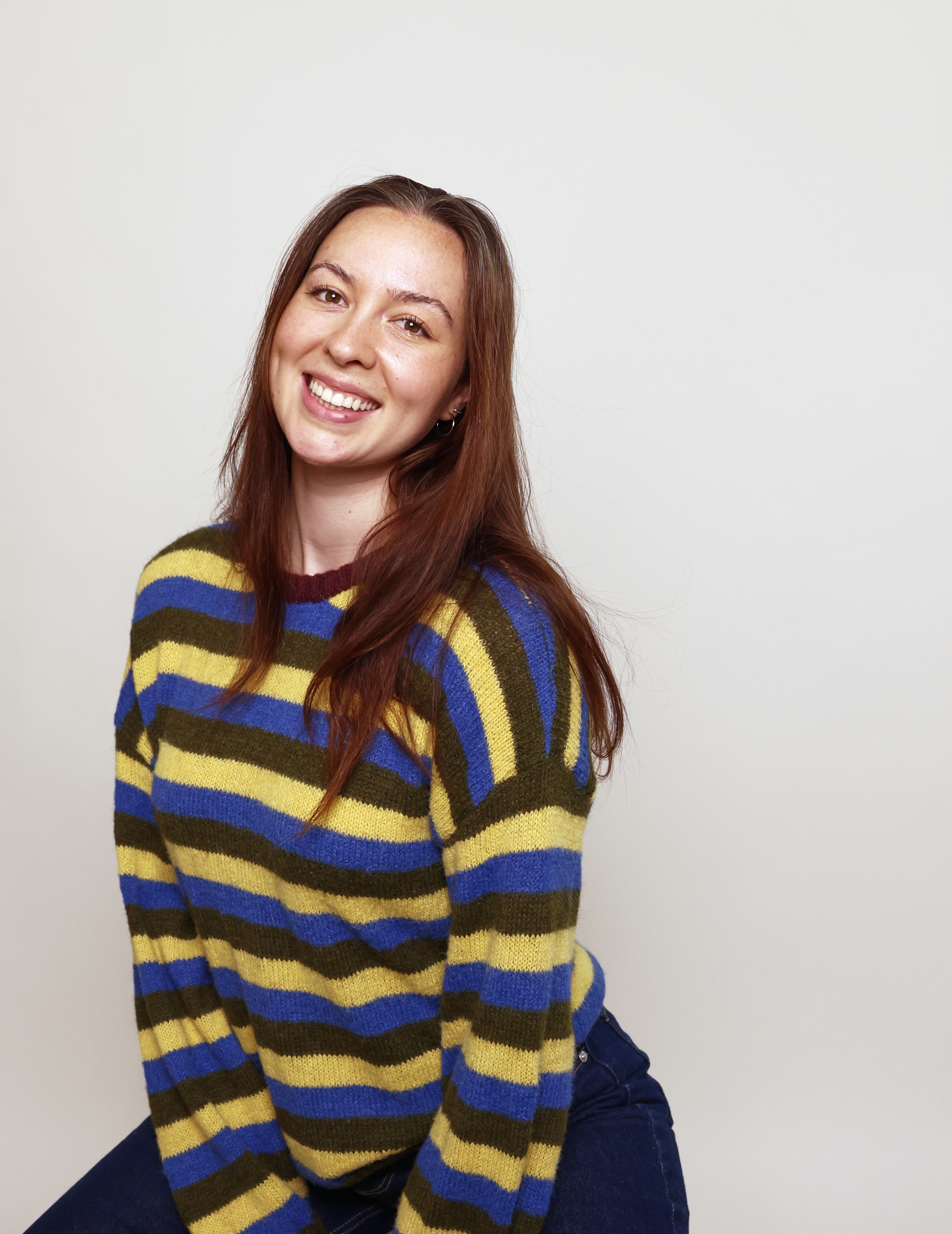
MY WHOLE APPROACH IS BUILT ON ONE BELIEF: LEARNING BY DOING, NOT LISTENING. YOU DON'T BUILD CONFIDENCE BY WATCHING SOMEONE TALK ABOUT IT.





.png)



.png)